Expert Lawn Care Advice: Avoiding Common Mistakes


Understanding Your Lawn's Needs
Every lawn is unique, and understanding its specific needs is crucial for maintaining its health and beauty. One of the most common mistakes homeowners make is treating every lawn the same. Factors such as soil type, grass species, and climate play a significant role in determining the care your lawn requires.

Before implementing any care routine, start by identifying your grass type and soil condition. This foundational knowledge will guide you in selecting the right fertilizers, watering schedules, and mowing practices. Conducting a soil test can provide valuable insights into nutrient deficiencies and pH levels.
Watering Wisely
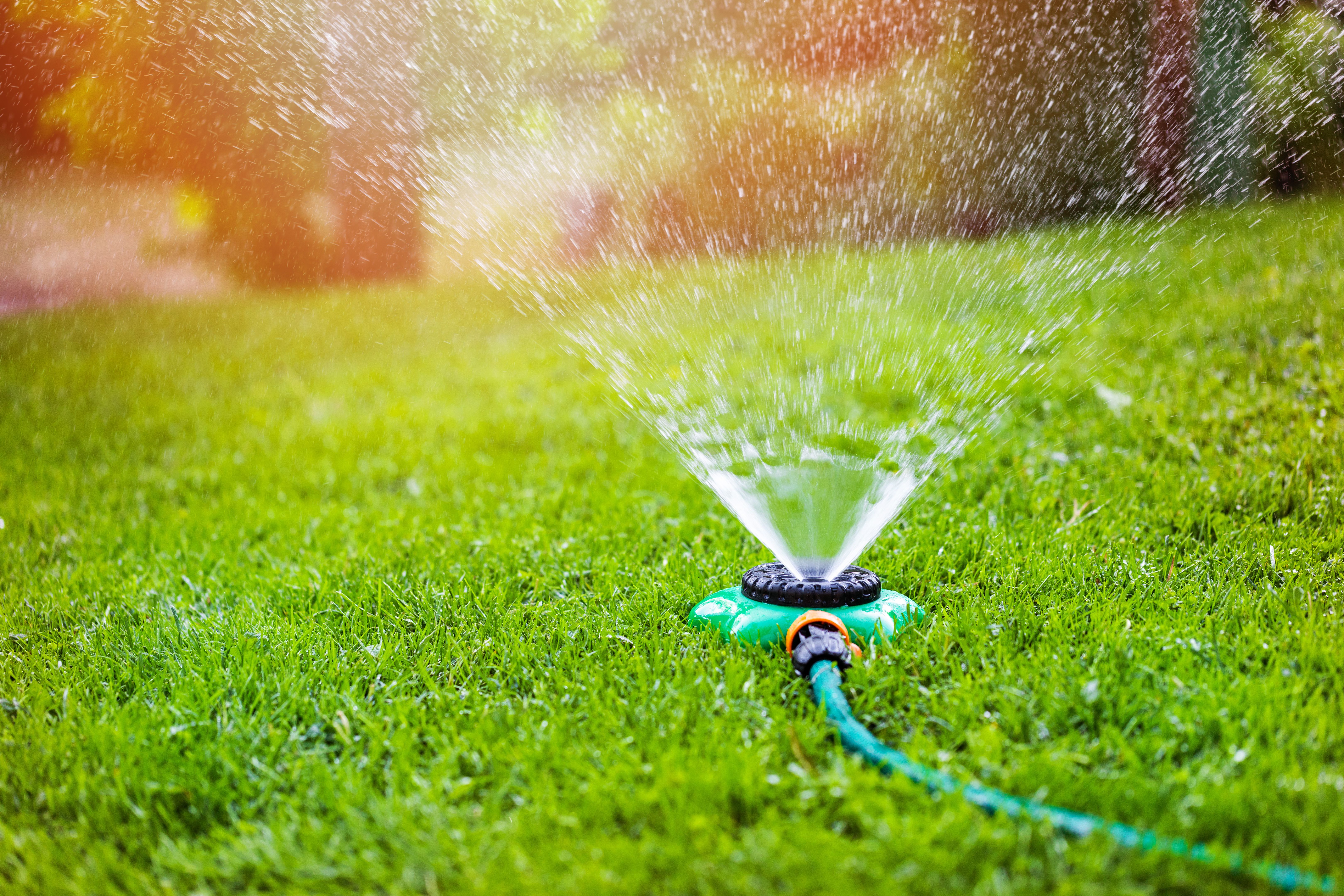
Overwatering or underwatering are frequent errors that can harm your lawn. It's essential to strike a balance to ensure your grass receives adequate moisture without drowning its roots. A general rule of thumb is to provide about one inch of water per week, including rainfall.
Water your lawn early in the morning to reduce evaporation and fungal growth. Avoid watering in the evening, as this can lead to prolonged moisture on the grass blades, promoting disease. Consider investing in a rain gauge to monitor natural precipitation and adjust your watering schedule accordingly.
Mowing Techniques for a Healthy Lawn
Mowing may seem straightforward, but improper techniques can lead to a host of problems. One common mistake is cutting the grass too short, which can weaken the turf and make it more susceptible to weeds and pests. Aim to remove no more than one-third of the grass height at each mowing session.
Maintaining Sharp Mower Blades
Using dull mower blades can tear grass, causing ragged edges that turn brown and invite disease. Regularly sharpen your mower blades to ensure clean cuts. This simple maintenance task can significantly improve the appearance and health of your lawn.

Fertilization and Weed Control
Fertilizing your lawn provides essential nutrients that promote growth and resilience. However, applying too much fertilizer or doing so at the wrong time can damage your grass. Follow the recommended guidelines for your grass type and apply fertilizer during the growing season for optimal results.
Weed control is another critical aspect of lawn care. Regularly inspect your lawn for unwanted plants and remove them promptly. Consider using organic weed control methods to minimize environmental impact and maintain the health of your soil.

Planning for Seasonal Changes
Adapting your lawn care routine to seasonal changes is vital for long-term success. In the spring, focus on aeration and overseeding to encourage growth. During the summer, prioritize watering and mowing adjustments to combat heat stress. Fall is an ideal time for fertilization and weed control, preparing your lawn for winter dormancy.
By avoiding common lawn care mistakes and tailoring your approach to your lawn's specific needs, you can achieve a lush, healthy landscape that enhances your home's curb appeal. Remember, consistent care and attention to detail are key to a thriving lawn.