DIY Lawn Care: Top Tips for a Healthy Lawn Without Professional Help


Introduction to DIY Lawn Care
Maintaining a healthy lawn doesn't always require professional help. With a little knowledge and effort, you can achieve a lush, green yard on your own. Here are some top tips to guide you through the process of DIY lawn care.
From mowing correctly to watering efficiently, each step plays a crucial role in nurturing your lawn. Let's dive into the essential practices that will keep your grass thriving.
Mowing Best Practices
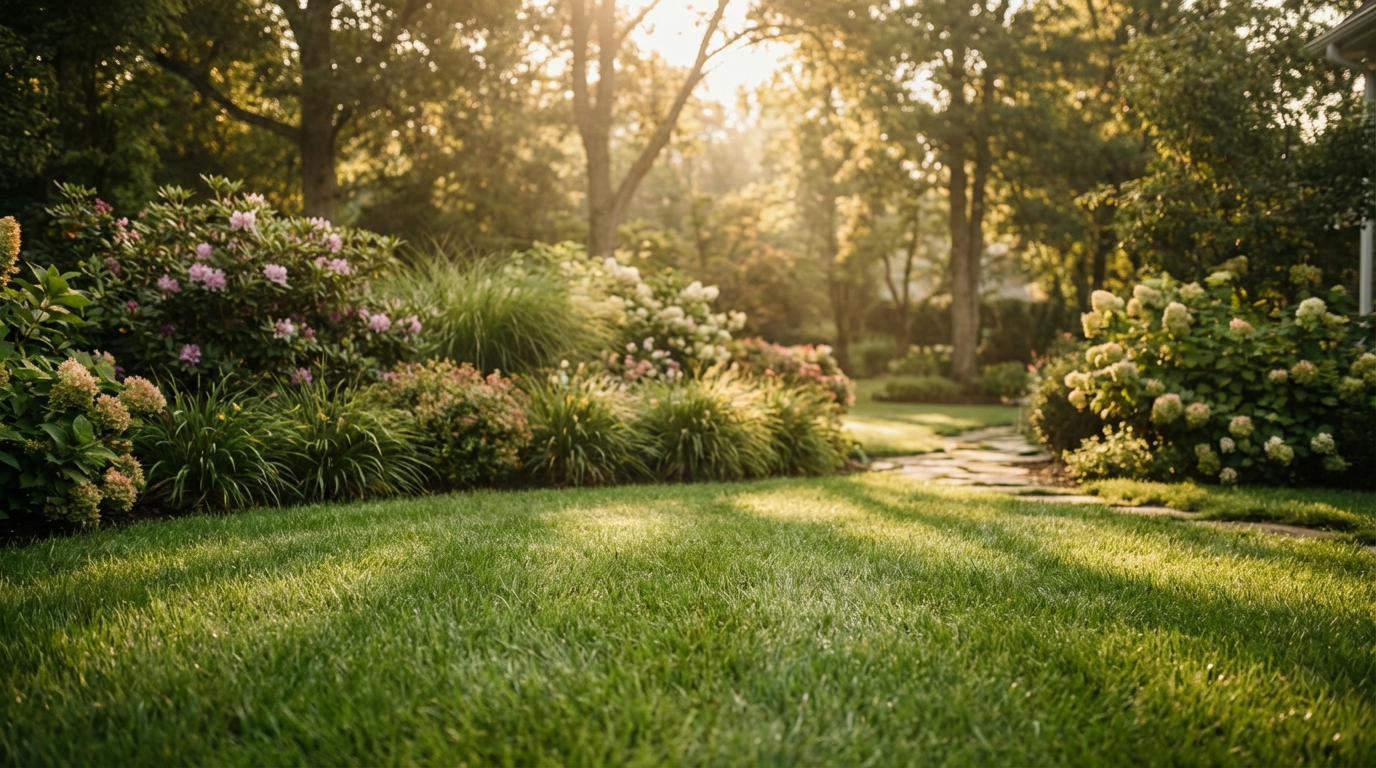
Mowing is more than just cutting grass; it's about maintaining the right height for a healthy lawn. Set your mower blades high to ensure you're only trimming the top third of the grass blades. This promotes deeper root growth and prevents weed invasion.
Regular mowing is key, but avoid cutting more than one-third of the grass height at a time. This practice reduces stress on the grass and keeps your lawn looking neat and tidy.

Watering Wisely
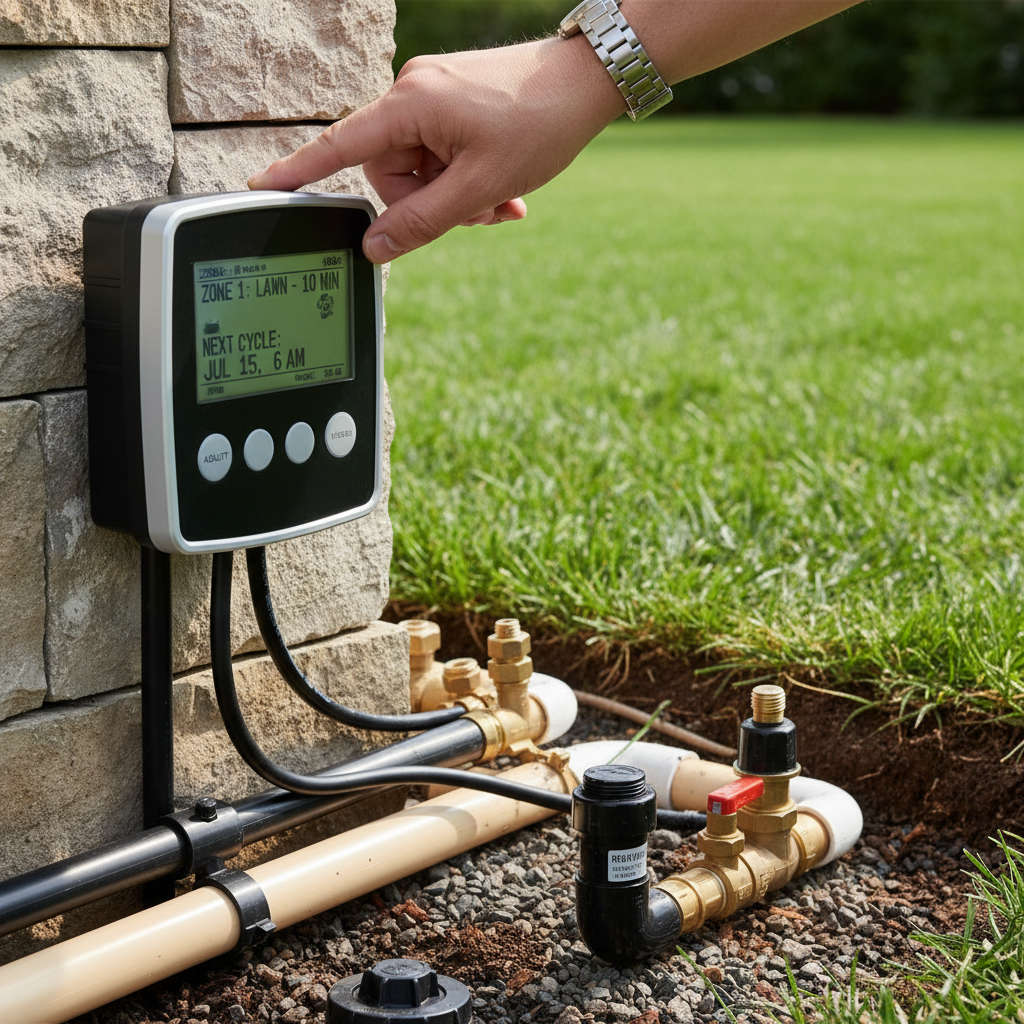
Proper watering is crucial for a healthy lawn. Water deeply but infrequently to encourage deep root growth. It's best to water early in the morning to minimize evaporation and fungal diseases.
- Water once or twice a week, depending on your climate.
- Ensure your lawn receives about 1 inch of water per week, including rainfall.
Fertilizing for Success
Fertilizing your lawn provides essential nutrients that grass needs to thrive. Choose a fertilizer that suits your grass type and apply it during the growing season.
Avoid over-fertilizing, as this can damage the grass and harm the environment. Consider using organic fertilizers for a more sustainable approach.
Aeration and Overseeding
Aeration involves perforating the soil with small holes to allow air, water, and nutrients to penetrate the grass roots. This process helps alleviate soil compaction and promotes healthier growth.
Overseeding, or planting grass seed over existing grass, can fill in bare spots and improve lawn density. This is best done in the fall when the soil is warm and the air is cooler.
Weed and Pest Control
Weeds and pests can quickly take over if not managed properly. Hand-pulling weeds or using natural herbicides can be effective in maintaining a weed-free lawn.
For pests, consider natural solutions like neem oil or insecticidal soap. Encouraging beneficial insects and birds can also help control harmful pests.
Conclusion
By following these DIY lawn care tips, you can achieve a vibrant and healthy lawn without the need for professional services. With regular maintenance and attention, your yard will become a beautiful space for relaxation and enjoyment.
Remember, consistency is key. Stick to your lawn care routine, and soon you'll see the fruits of your labor.