DIY Lawn Care: Essential Tips for a Healthy Lawn


Understanding Your Lawn's Needs
Creating a lush, green lawn requires a basic understanding of your specific grass type and its needs. Different grasses thrive in different climates, so it's essential to choose one that suits your local environment. Research the common grass types in your area and their specific requirements for sunlight, water, and nutrients.
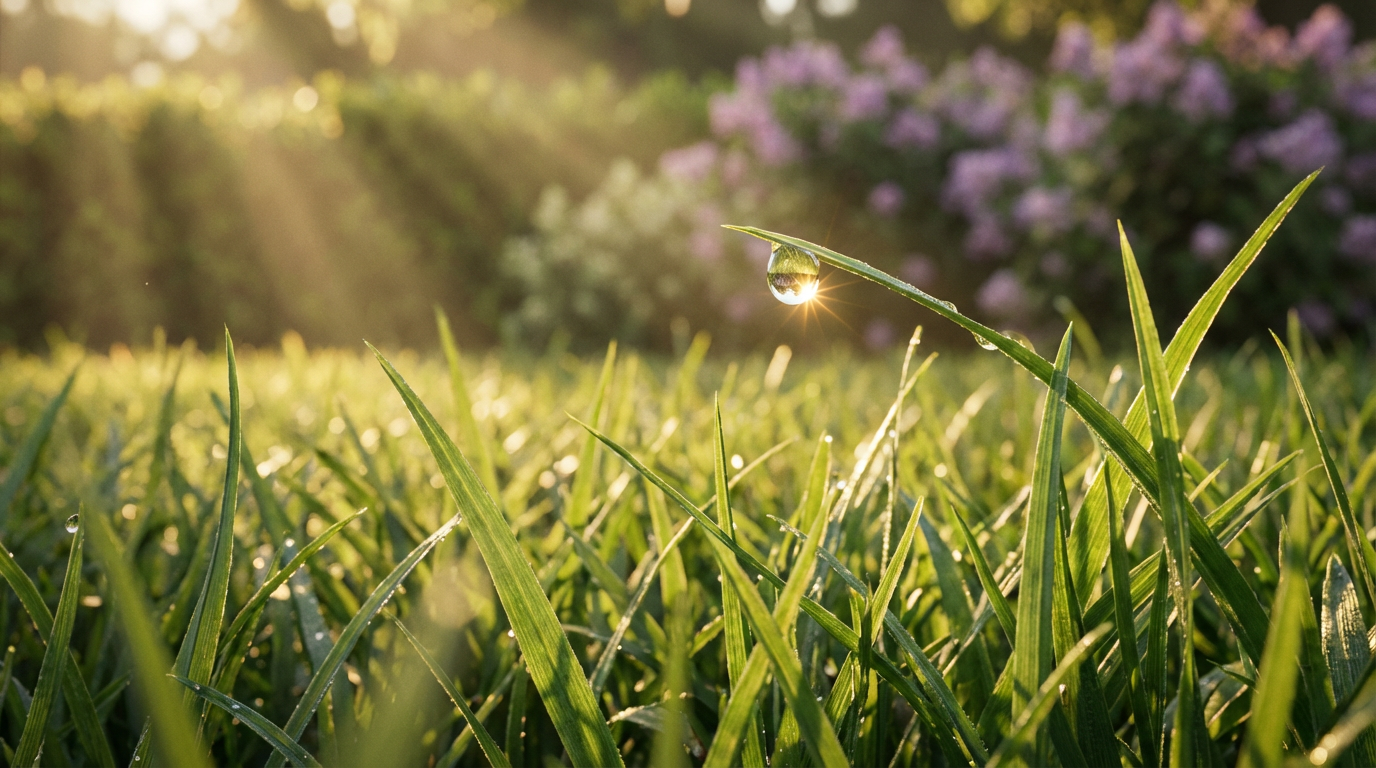
Once you know your grass type, tailor your care routine to meet its needs. Keep in mind that some grasses require more sunlight, while others thrive in shaded areas. Understanding these nuances will help you maintain a healthy lawn year-round.
Essential Lawn Care Practices
Mowing
Regular mowing is crucial for a healthy lawn. Aim to cut your grass to the right height, usually about 2.5 to 3 inches. This height allows the grass to develop a strong root system while shading the soil to prevent weed growth. Avoid cutting more than one-third of the grass blade at a time to minimize stress on the plant.
Watering
Watering is another critical aspect of lawn care. Most lawns need about 1 inch of water per week, including rainfall. Early morning is the best time to water, as it reduces evaporation and fungal diseases. Use a rain gauge to monitor natural precipitation and adjust your watering schedule accordingly.
Nutrient Management
Fertilizing
Fertilizing your lawn provides essential nutrients that promote growth. Use a slow-release fertilizer in early spring and late fall to support your lawn through its growing and dormant seasons. Make sure to follow the package instructions to avoid over-fertilization, which can damage your grass.
Aeration
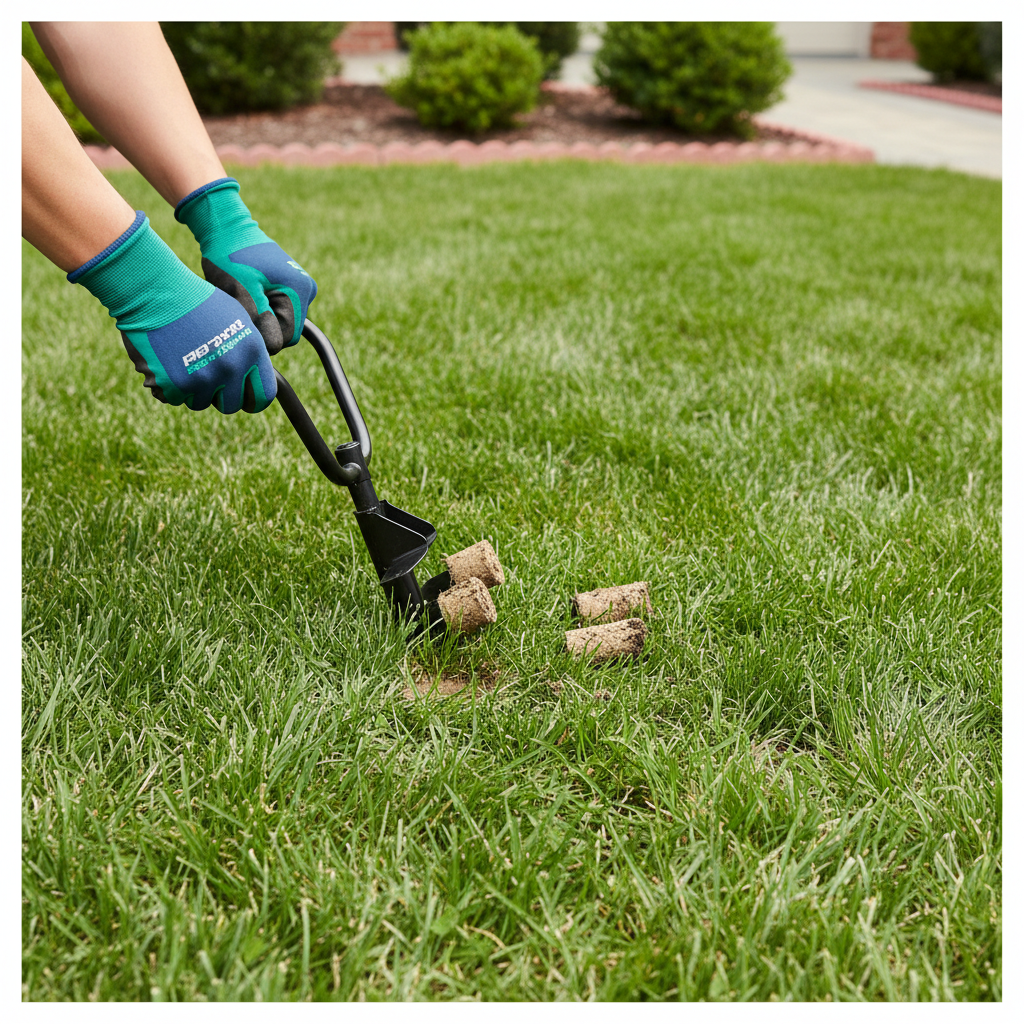
Aerating your lawn helps improve soil structure and allows nutrients, water, and air to reach the roots. Perform aeration once a year, preferably in the fall, using a core aerator. This process reduces soil compaction and encourages healthy root development.
Weed and Pest Control
Weeds and pests can quickly take over a lawn if not managed properly. A thick, healthy lawn is your best defense against weeds, as it outcompetes them for nutrients and sunlight. For persistent weeds, consider using a selective herbicide that targets specific weed types without harming your grass.
Similarly, keep an eye out for common lawn pests like grubs and chinch bugs. Integrated pest management strategies, such as promoting beneficial insects and using targeted treatments, can help maintain a balanced ecosystem in your yard.
Seasonal Lawn Care Tips
Each season presents unique challenges and opportunities for lawn care. In spring, focus on cleaning up debris and preparing your lawn for the growing season. Summer requires diligent watering and monitoring for heat stress. In fall, concentrate on aeration and fertilization, while winter is the time to plan for next year's lawn improvements.

By following these essential tips and tailoring your approach to your lawn's specific needs, you can enjoy a healthy, vibrant lawn throughout the year. Consistent care and attention will reward you with a beautiful outdoor space that enhances your home's curb appeal.