Common Lawn Care Mistakes and How to Avoid Them


Understanding Overwatering
One of the most common lawn care mistakes is overwatering. Many homeowners believe that more water equals a healthier lawn. However, this can lead to shallow root growth and even fungal diseases. The general rule is to water your lawn deeply but infrequently.
To avoid overwatering, monitor the moisture level of your soil. Stick a screwdriver into the ground; if it goes in easily, your lawn has enough moisture. Aim for about one inch of water per week, including rainfall, to maintain a lush and healthy lawn.
Mowing Mistakes
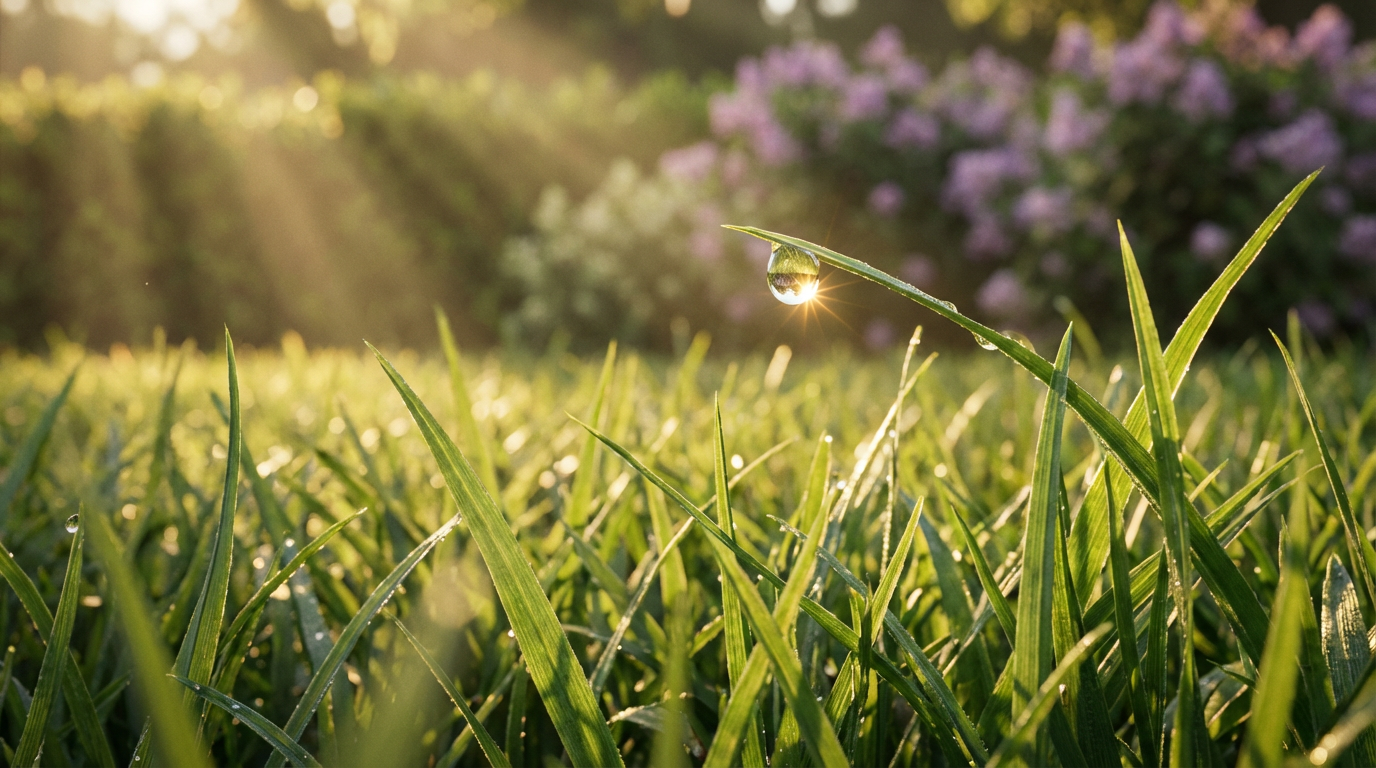
Improper mowing is another frequent error that can harm your lawn. Cutting your grass too short, also known as "scalping," can weaken the grass and expose the soil to weeds and disease. A good rule of thumb is to never remove more than one-third of the grass blade at a time.
Make sure your mower blades are sharp. Dull blades tear the grass, causing ragged edges that lead to stress and susceptibility to pests. Regularly sharpen your mower blades to ensure a clean cut.

Ignoring Soil Health
Healthy soil is the foundation of a beautiful lawn. Many people neglect this crucial aspect, focusing solely on what’s visible above ground. Conduct a soil test to determine its pH and nutrient levels. This will help you understand what your lawn truly needs.
If your soil lacks nutrients, consider applying the right fertilizer. Organic options are often best, as they improve soil health over time. Remember, healthy soil supports strong, resilient grass.

Improper Fertilization
Fertilizing your lawn can enhance its green color and growth, but applying too much or too little can be detrimental. Over-fertilization can lead to nutrient runoff and harm the environment, while under-fertilization may not provide enough nutrients to support healthy growth.
Follow the recommended guidelines on the fertilizer package and apply it during the right season. Typically, lawns benefit from fertilization in the spring and fall.
Overlooking Weed Control
Weeds are not just unsightly; they compete with your grass for nutrients, water, and sunlight. Ignoring them can quickly lead to a patchy lawn. Regularly monitor your lawn for weeds and address them promptly.
Consider using a pre-emergent herbicide in the spring to prevent weeds from sprouting. For existing weeds, spot-treat them with a post-emergent herbicide or remove them by hand.
Skipping Aeration
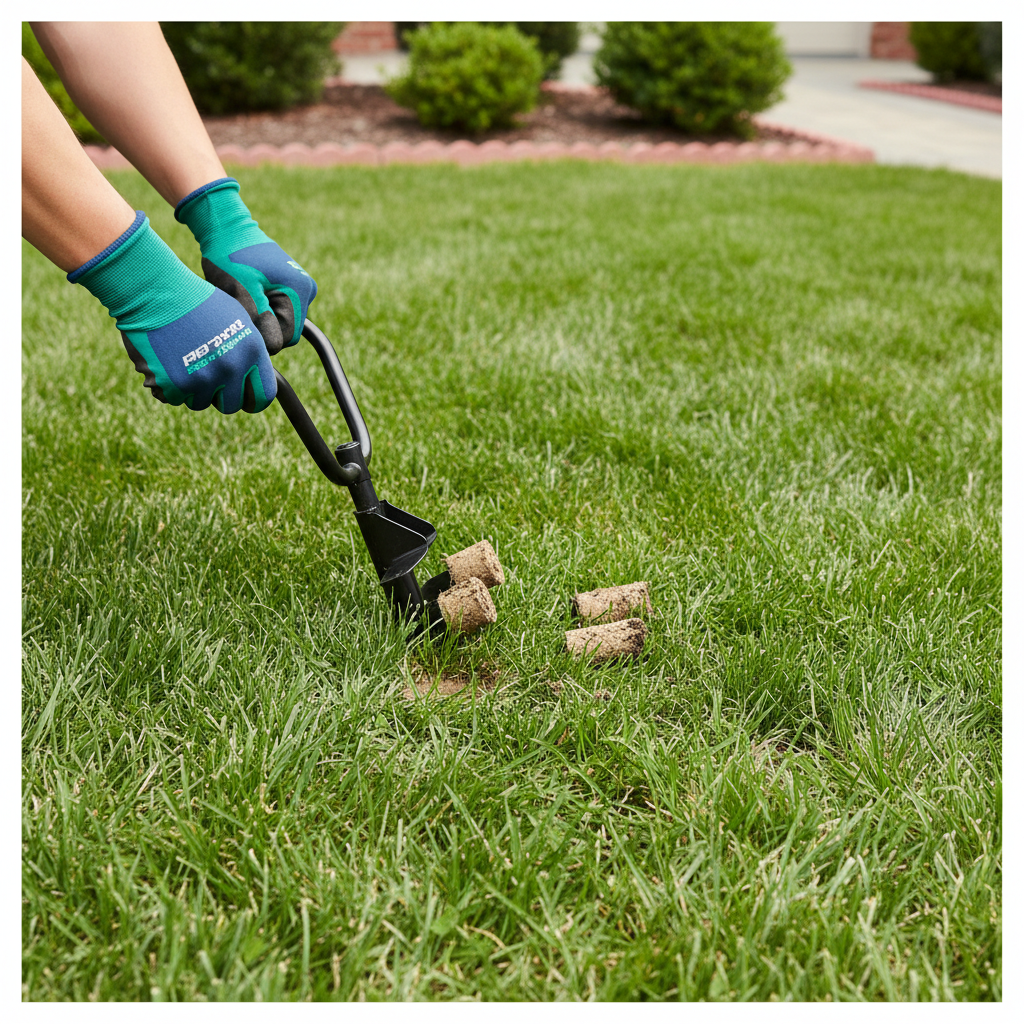
Aeration involves perforating the soil with small holes to allow air, water, and nutrients to penetrate the grass roots. This process helps alleviate soil compaction, which can obstruct root growth. Neglecting aeration can lead to a weakened lawn.
Schedule aeration once a year, preferably in the fall, to keep your lawn thriving. This simple step can greatly improve your lawn's health and resilience.
Conclusion
Maintaining a lush, green lawn requires awareness and proper techniques. By avoiding these common lawn care mistakes, you can ensure your grass stays healthy and vibrant. Pay attention to watering, mowing, soil health, fertilization, weed control, and aeration to achieve the lawn of your dreams.