5 Common Lawn Care Myths Debunked by Professionals


Myth #1: Shorter Grass is Healthier Grass
One of the most common lawn care myths is that cutting your grass shorter will result in a healthier lawn. In reality, cutting your grass too short can stress the grass, making it more susceptible to disease and pests. Lawn care professionals recommend maintaining a grass height of about 2.5 to 3 inches for most grass types to ensure optimal health.
When grass is cut too short, it can lead to a weaker root system, making it difficult for the lawn to absorb water and nutrients effectively. A taller grass height helps shade the soil, retaining moisture and supporting beneficial soil organisms.

Myth #2: Watering Daily is Necessary
While it might seem logical to water your lawn daily to keep it lush and green, this is actually a misconception. Frequent, shallow watering can lead to a weak root system. Professionals recommend watering less frequently but more deeply to encourage roots to grow deeper into the soil, increasing drought resistance.
Ideally, lawns should receive about 1 to 1.5 inches of water per week. This can be achieved through rainfall or supplemental watering. It's best to water early in the morning to minimize evaporation and fungal growth.
Myth #3: Fertilizer is Only for Spring
Many homeowners believe that fertilizing their lawn is only necessary in the spring. However, lawn care experts emphasize the importance of fertilizing throughout the growing season. Fertilizers provide essential nutrients that support grass growth and health.
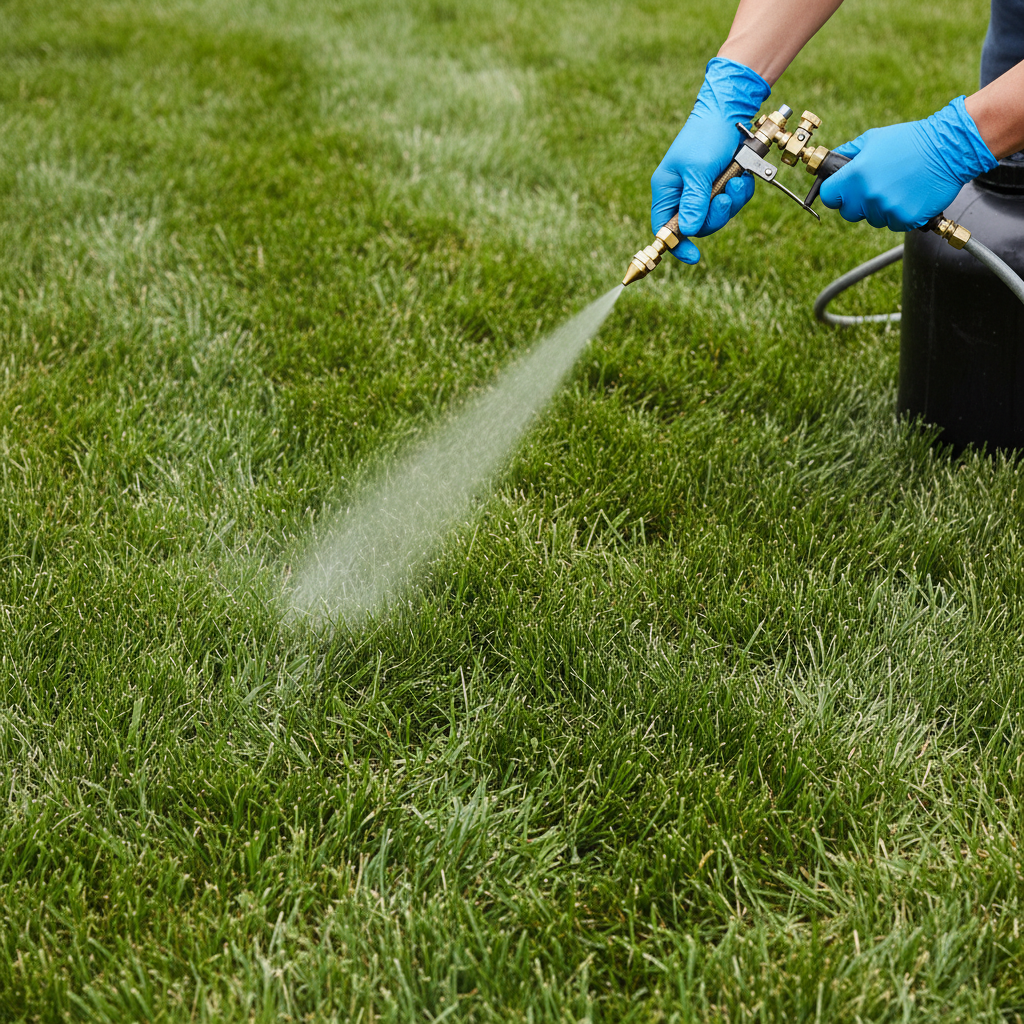
A well-timed fall fertilization is particularly beneficial as it helps strengthen the grass roots over winter, leading to a healthier lawn in the spring. Always follow the recommended guidelines for your specific grass type and local climate conditions.
Myth #4: All Weeds are Harmful
While weeds are often seen as the enemy of a perfect lawn, not all weeds are harmful. Some weeds, like clover, can benefit your lawn by fixing nitrogen in the soil, which can improve grass health. However, invasive weeds that compete with your grass for nutrients and water should be managed.
Regular lawn maintenance, such as proper mowing, fertilization, and aeration, can naturally reduce weed growth by promoting a strong and healthy lawn.
Myth #5: Aeration is Unnecessary
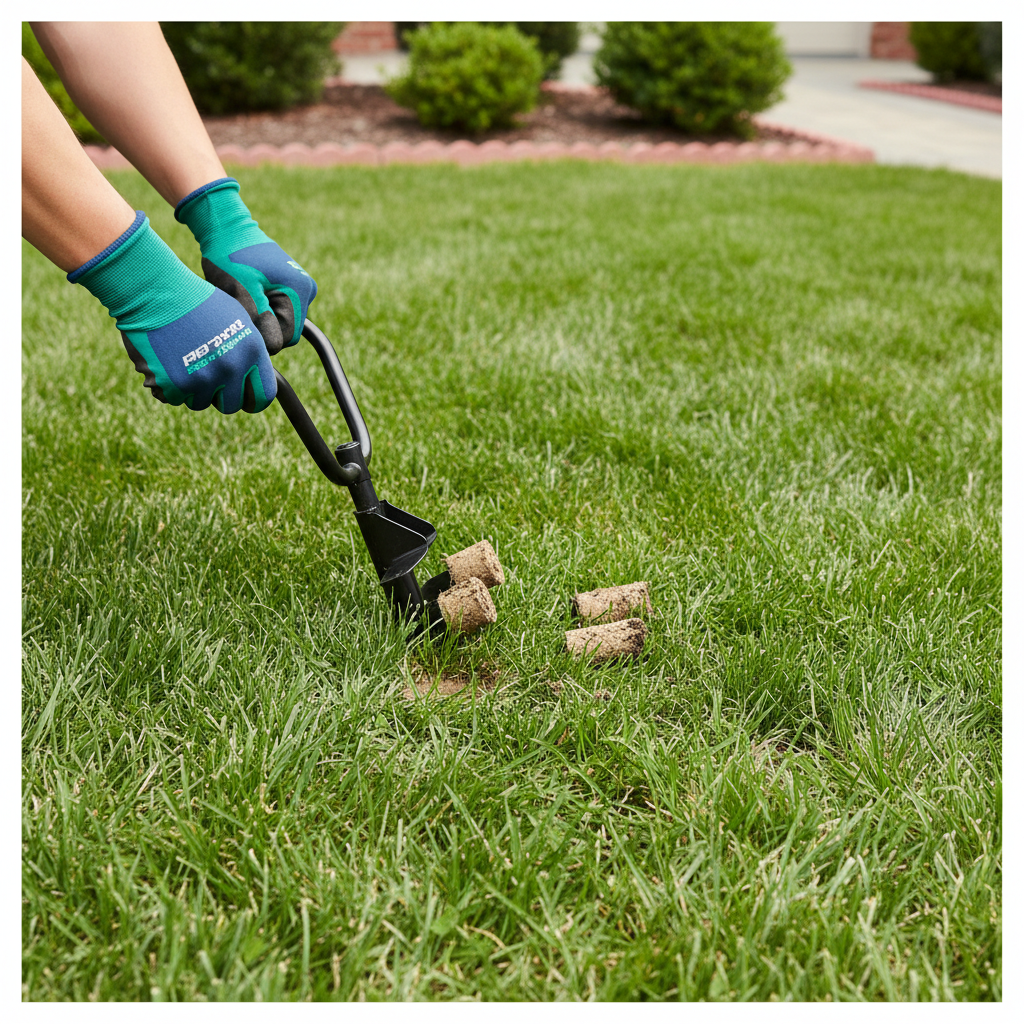
Lawn aeration is a process that many homeowners overlook, but it's an essential part of maintaining a healthy lawn. Aeration involves perforating the soil with small holes to allow air, water, and nutrients to penetrate the grass roots more effectively.
By reducing soil compaction, aeration helps grass roots grow deeply and produce a stronger, more vigorous lawn. It's typically recommended to aerate your lawn once a year, ideally in the fall or spring, depending on your grass type.
Understanding the truth behind these common lawn care myths can significantly enhance the health and appearance of your lawn. By following professional advice, you can enjoy a lush, green lawn all season long.